AI for Creators · Guide
Plan an AI Voice Project Around Performer Consent
Define the voice, permitted uses, review rights, and removal route before a generated recording enters a production workflow.
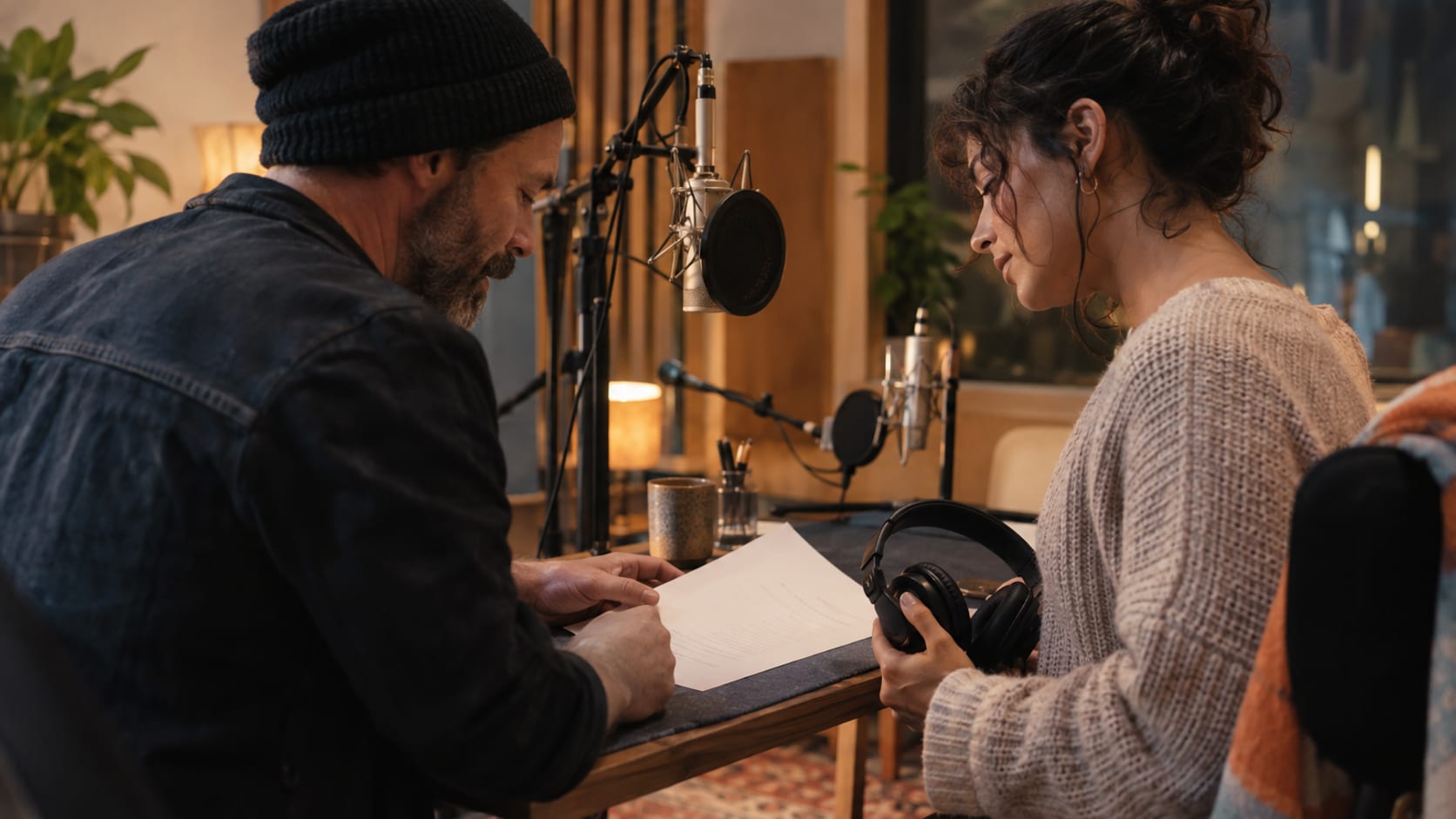
Get explicit, specific permission from the voice performer before using samples to create or deploy a synthetic voice. Document the intended channels, scripts, duration, approval process, storage, and withdrawal route. Review each output for accuracy and misleading impersonation before release.
Define the use before collecting samples
Start with the intended project: narration for one video, an ongoing character, localization, or a service voice. Write where the audio will appear, who can generate it, and whether the performer may review scripts or final takes. A general instruction to “use my voice for AI” leaves too much ambiguity. The FTC has described the risks of voice cloning, including impersonation and misuse; a creative production should respond with a clearly bounded agreement and technical access controls. Do not collect a performer's raw recordings until the team knows what the samples are needed for and how they will be protected. A specific brief makes consent more meaningful and later review more practical.
- State channel and duration.
- Limit who can generate audio.
- Collect only needed samples.
Record permission in usable terms
Keep a written record that identifies the performer, the authorized project, the type of synthetic output, the period of use, and any prohibited contexts. Address whether new scripts or languages require fresh approval. Give the performer a contact and a route to raise a concern or request removal. The details should be understandable without knowing how the model works. Do not assume that ownership of an original recording automatically grants permission to imitate the person in new speech. If a third party supplied samples, check its rights and the performer's consent directly. This is operational guidance for a project team, not a substitute for legal advice on a particular contract or jurisdiction.
- Identify person and project.
- Write prohibited uses.
- Provide a concern and removal route.
Illustrative prompt · adapt before use
Turn these illustrative notes into a permission-review checklist, not legal approval.
Notes: narrator permits synthetic narration for one English explainer on our website for six months. A producer requests Spanish social ads. No recordings are supplied.
Return approved scope, proposed changes, missing permissions, access checks, and questions for the performer.
Do not create consent, reproduce a voice, draft endorsements, or treat possession of recordings as permission. Leave the new use unapproved.Control the voice assets
Store raw samples, model access, prompts, and exported audio where only authorized production staff can reach them. Track which version of the voice model produced each final file. Do not leave an unrestricted cloning endpoint in a shared folder or let contractors carry samples into unrelated tools. If a vendor processes the material, examine its current data and retention terms before upload. A useful access rule is simple: a person may use the voice only for an approved script and channel, and a second person can review the resulting audio. The record should make it possible to find every published use if permission changes. Security here protects a human identity, not merely a media asset.
- Restrict generation access.
- Track model and file versions.
- Know where published uses live.
Review speech as a real statement
A synthetic voice can say inaccurate, harmful, or unapproved words with the apparent authority of the performer. Compare the audio with the approved script, check pronunciation and tone, and listen for segments that sound like an endorsement or personal statement the person never agreed to make. If the project uses an actor's likeness or name, the implied relationship deserves special scrutiny. Give the performer or authorized representative the review opportunity promised in the agreement. Do not rely on an automated transcript as proof that the generated audio is correct; listen to the final export. The producer should be able to reject a take and remove it from the release queue.
- Check exact words and tone.
- Flag implied endorsements.
- Listen to final exported audio.
Explain synthetic use to the audience
Decide whether viewers or listeners need a clear disclosure to understand what they hear. A disclosure may belong near the audio, in credits, or in the surrounding page, depending on the format and audience. Do not bury it where the listener will never encounter it, especially when the recording could be mistaken for an unscripted personal message. Use plain language that describes the actual production, without implying that the performer approved a broader AI product. The disclosure should support trust while preserving the creative work. It is not a substitute for consent or a remedy for an unauthorized voice clone.
- Place disclosure where relevant.
- Describe actual synthetic use.
- Do not use disclosure to replace permission.
Plan updates and withdrawal
Before publishing, decide who can stop future generation, remove accessible files, contact distribution partners, and preserve the record of what happened. A withdrawn voice cannot always be erased from every copy, so avoid promising impossible control. Keep the project inventory accurate enough to act quickly. If the voice is reused for a new campaign, language, or character, compare that request with the original scope and obtain new permission where needed. Review the process after a complaint or mistaken release instead of treating the contract as the whole safeguard. A consent-centered workflow lasts through the life of the media, not just the day the samples were recorded.
- Inventory release locations.
- Stop unauthorized future generation.
- Check scope before reuse.
Sources and update note
Follow the linked official source before a product, price, plan, or policy decision.